
Marketing Agency for Builders: Win More Residential Jobs
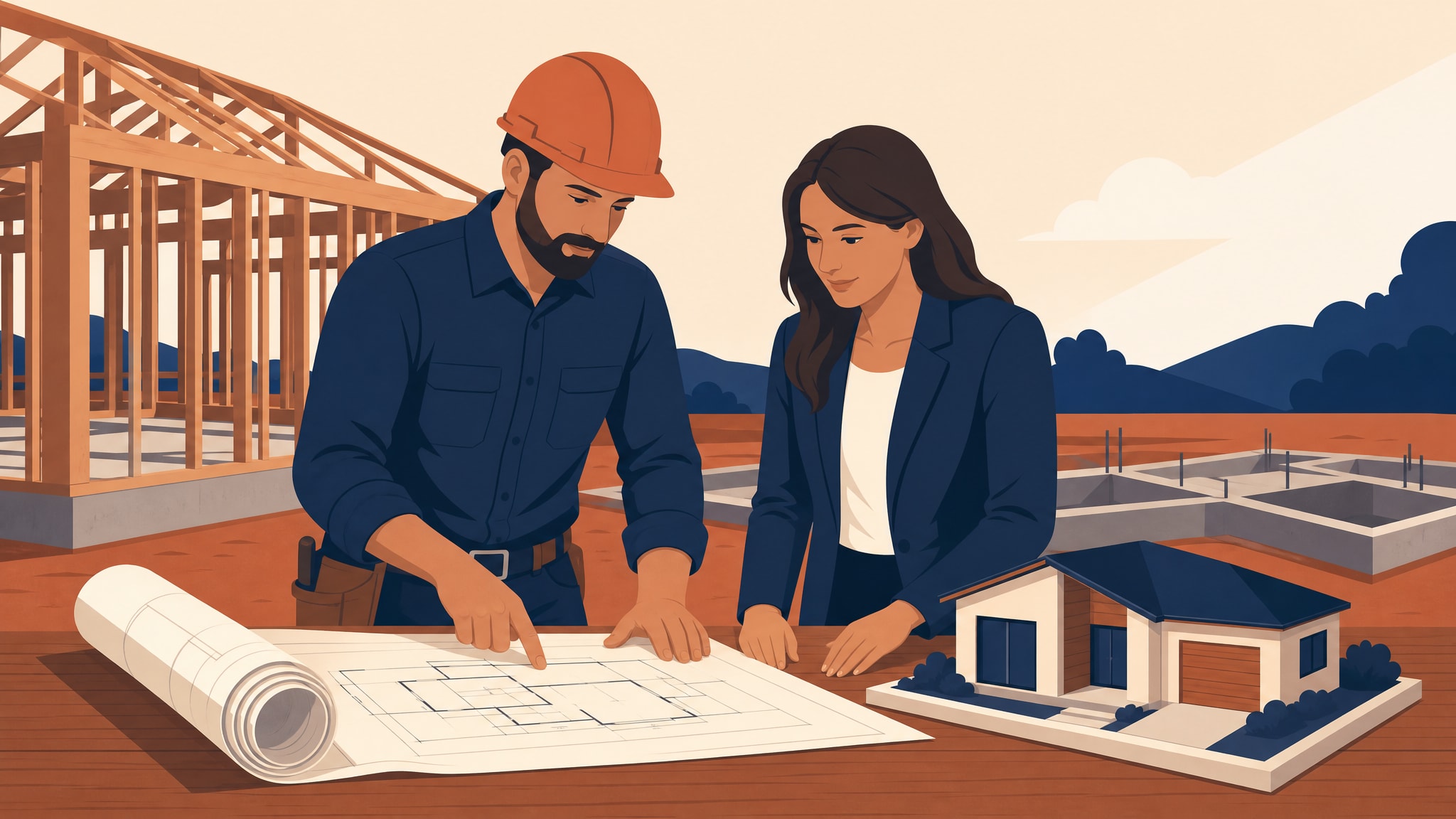
Residential construction runs on thin margins and long timelines. Your marketing spend has to support signed contracts, not just brand awareness. Finding a marketing agency for builders that knows the difference between a qualified site visit and a tyre-kicker is often what decides whether your residential pipeline scales profitably or just gets busier. You need a partner who speaks the language of deposits, council approvals and build capacity, not just click-through rates.
Why Builders Need a Specialist Marketing Partner
Residential construction marketing demands fluency in council approvals, display home logistics and deposit structures that generalist agencies typically don't have. A generic service marketer might optimise for broad enquiry volume. You need one that knows a custom home lead is worth more than a minor renovation inquiry, and markets accordingly.
The difference between generalist and construction marketing
Generalist agencies often bolt e-commerce or retail tactics onto construction, and that ignores the months-long decision journey your clients go through. Your customers don't impulse-buy a new build. They research for weeks, compare multiple tender responses, and need real trust before committing hundreds of thousands of dollars.
That extended sales cycle means your marketing has to nurture prospects through distinct phases of consideration without burning budget on unqualified clicks. If you're seeing high traffic but low conversion, it helps to understand why marketing stalls for service businesses when the messaging lacks industry-specific nuance.
Common pitfalls when outsourcing builder lead generation
Many builders waste retainer fees on agencies that report vanity metrics like impressions or social likes while ignoring actual tender requests. That misalignment creates a false sense of progress, right up until your estimators realise they're chasing dead ends instead of pricing viable projects.
Outsourcing fails when the agency treats all leads equally instead of filtering for budget alignment and project feasibility. You deserve a partner who measures success by the number of qualified site inspections booked, not by how many people viewed your Facebook ad.
Core Services That Drive Residential Construction Leads
Effective builder campaigns track cost-per-site-visit rather than cost-per-click. That lines marketing spend up directly with estimator workload and contract potential, so every dollar spent fills your schedule with profitable work instead of generating noise.
SEO and local visibility for home builders
Local search matters a lot when homeowners research builders in their specific suburb or region. Your organic strategy needs geo-specific keywords and accurate business listings across directories to capture high-intent traffic from people actively looking for a local construction partner.
Pairing that foundational visibility with paid channels speeds results up. That's why an SEO and Google Ads bundle often outperforms running either channel alone for trade-based businesses.
Paid ads targeting high-intent renovators and new builds
Paid search lets you intercept demand the moment a homeowner starts researching their project. You can target specific build types, price points and locations so your ad spend reaches prospects who match your ideal client profile.
These campaigns need constant refinement based on lead quality feedback from your sales team to stay profitable. Without that loop, you risk paying premium prices for clicks that never convert into signed building contracts.
Website and CRM systems that convert enquiries
Your website should work as a pre-qualification tool, one that educates prospects and captures detailed project information before they ever speak to your team. Jumpgro builds websites with CRM automation specifically for tradies and builders, built to stop leads leaking out during peak enquiry periods.
Construction businesses that align their CRM and marketing systems see measurable improvements in lead-to-quote ratios compared with those running disconnected tools. Picking the right infrastructure matters, and our guide on the best CRM and website builder for tradies breaks down options suited to construction workflows.
How to Vet a Marketing Agency for Builders
Choosing the wrong partner costs you money and momentum during the periods you most need both. You need a structured evaluation process that tests an agency's construction knowledge before you sign anything.
Questions to ask during your initial consultation
Ask prospective agencies how they handle attribution across sales cycles that span weeks or months. Their answer tells you whether they understand that residential construction decisions involve multiple stakeholders and extended research phases that simple last-click tracking can't capture.
Request case studies showing cost-per-qualified-lead trends over six months, not snapshot performance data. That shows whether they can hold lead quality through seasonal swings and market changes that affect building demand.
You should also run a structured framework like our hiring a marketing agency checklist to cover compliance, reporting and communication expectations systematically.
Red flags in construction marketing proposals
Avoid agencies that promise first-page rankings without discussing lead quality or sales cycle attribution. Search positions mean nothing if the traffic behind them is DIY researchers or students rather than homeowners ready to build.
Be wary of proposals that never mention building compliance, HIA standards or deposit structure terminology. Those gaps suggest the agency hasn't worked with builders before, and you'll pay for their education.
Aligning Marketing Strategy With Your Build Capacity
Marketing without operational alignment creates bottlenecks that damage your reputation and burn cash. Your digital efforts need to scale with your crew availability and project management bandwidth, or you'll overwhelm the business.
Forecasting demand takes regular communication between your marketing team and project managers who know realistic start dates. When your schedule fills up, your agency should pivot messaging to extend lead times or promote future booking incentives, rather than keep pushing immediate starts you can't deliver.
Scaling too fast hurts service quality as much as scaling too slow hurts revenue. A specialist marketing agency for builders understands that sustainable growth respects your physical constraints and protects your delivery standards.
Measuring ROI Beyond Clicks and Impressions
Top-of-funnel metrics have diagnostic value, but they don't pay your bills or fund your next hire. You need reporting that connects marketing spend directly to commercial outcomes: tender submissions, site inspections, signed contract values.
Tracking cost per qualified site visit
Site visits are the real conversion point, where prospects move from digital interest to physical commitment. Tracking this metric gives you a reliable read on marketing efficiency, one that correlates strongly with eventual contract signings.
When your cost per site visit holds steady while contract values climb, your targeting is improving in quality. That granular visibility lets you adjust budgets with confidence, based on actual pipeline health instead of guesswork from click data.
Attributing revenue across long sales cycles
Residential builds involve touchpoints across months, which makes single-touch attribution misleading for budget decisions. You need multi-touch models that credit awareness content, retargeting ads and email nurture sequences for the role each plays in moving prospects toward signing.
Without proper attribution, you might cut funding from early-stage content that actually starts relationships leading to contracts six months later. Understanding these delayed conversions stops you optimising prematurely and starving your future pipeline.
Integrating Digital Efforts With On-Site Sales Processes
The handoff between digital lead capture and estimator follow-up decides whether marketing investment turns into revenue. Slow response times or inconsistent messaging waste ad spend even when the campaign metrics look strong.
Your CRM should assign leads to available estimators automatically and trigger follow-up reminders based on project stage. That keeps qualified enquiries from falling through the cracks during busy periods, when manual tracking stops being realistic.
Consistent communication templates keep things professional while speeding up response times across your sales team. When prospects get timely, relevant information that matches what they saw online, trust builds faster and quote acceptance rates improve.
For broader context on how specialist agencies support adjacent trades, our marketing agency for tradies guide covers principles that apply across construction sectors.
Getting Started With a Results-Driven Builder Marketing Plan
Launching effective construction marketing takes methodical preparation, not a rush into campaign execution. A proper onboarding timeline includes auditing existing assets, running strategy workshops with your key stakeholders, and creating industry-specific content before any media budget gets spent.
Starting with a focused pilot campaign lets you test assumptions about audience targeting and messaging before you commit to a full-scale retainer. It's a lower-risk approach, and it builds internal confidence in the partnership through early wins you can actually point to.
Your discovery call should assess current gaps in lead generation, sales integration and attribution capability, and use them to build a tailored roadmap. Book time with us to explore how a specialist marketing agency for builders can align digital growth with your residential construction goals.
Frequently asked questions
How do I measure marketing ROI for residential builds with long sales cycles?
Track cost per qualified site visit and lead-to-quote ratios rather than relying solely on click metrics or form fills. Use multi-touch attribution to credit awareness content and nurture sequences that initiate relationships months before contract signing. Review these commercial KPIs monthly alongside your project pipeline to connect marketing spend directly to revenue outcomes.
What questions reveal if an agency truly understands construction marketing?
Ask them to explain how they handle attribution across multi-month sales cycles and request case studies showing lead quality trends over six months. Test their knowledge of building compliance, deposit structures, and council approval processes that affect residential buyer journeys. Agencies without construction experience will struggle to answer these specifics beyond generic digital marketing terminology.
Which digital channels work best for custom home builders and renovators?
Local SEO captures high-intent homeowners researching builders in their specific suburb, while paid search intercepts demand at the moment of active project consideration. Combining both channels typically outperforms running either alone because organic builds long-term authority while paid fills immediate pipeline gaps. Email nurture sequences then maintain engagement across the extended decision period typical of residential construction.
How does CRM integration improve conversion rates for building companies?
Automated lead assignment and follow-up reminders ensure no qualified enquiry is missed during peak periods when manual tracking fails. Integrated systems pass detailed project information from web forms directly to estimators, reducing data entry errors and speeding up quote turnaround. Consistent messaging across digital touchpoints and sales conversations builds trust faster, improving quote acceptance rates.