
Website & CRM Bundle for Small Business: Launch Growth Fast
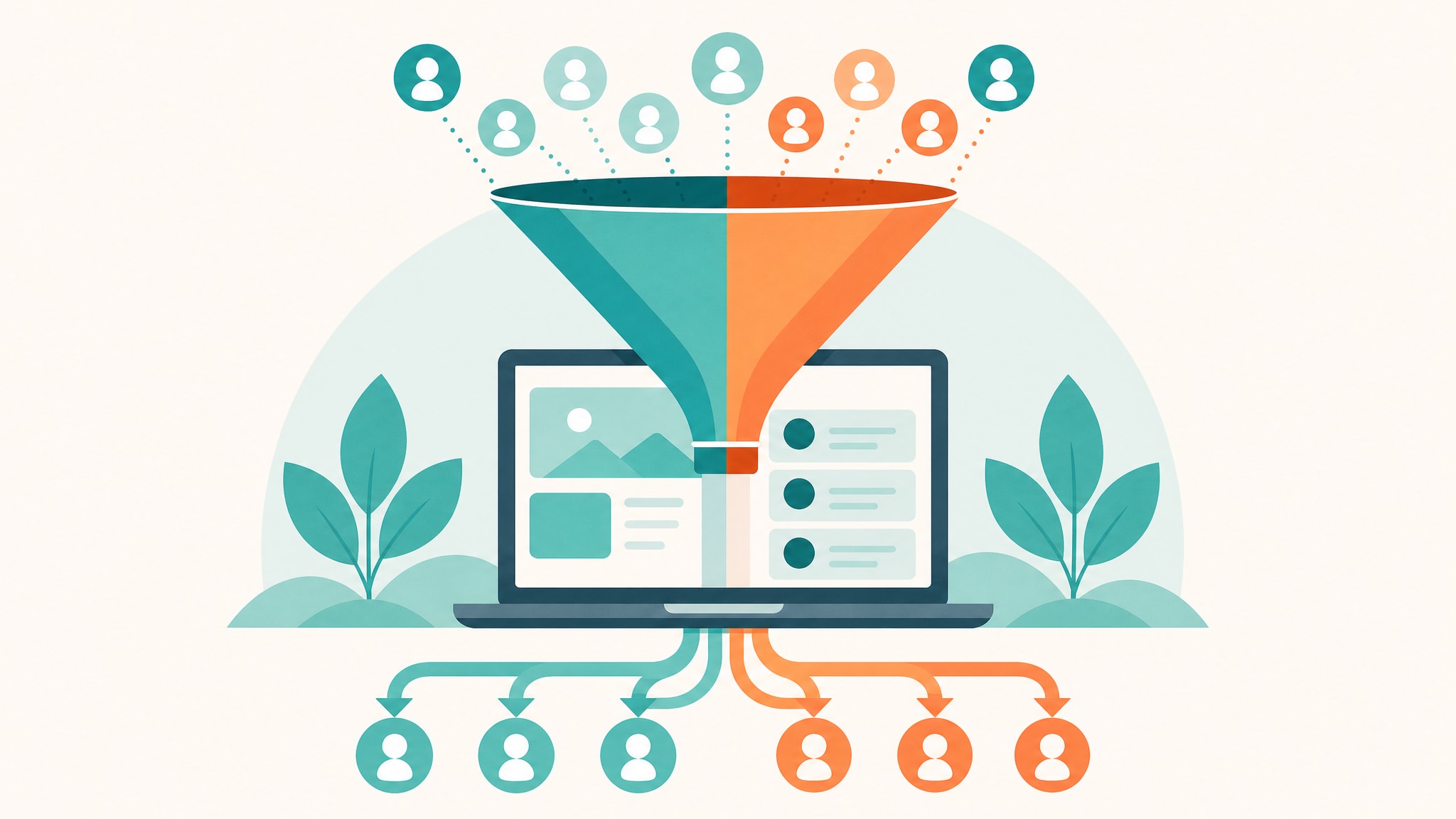
Running a service business means your digital tools should generate revenue, not create admin headaches. Too many owners waste hours each week copying enquiry details from website forms into spreadsheets or disconnected software, losing momentum and jobs in the process. A website and CRM bundle for small business cuts out that friction by combining your online presence and customer management into one system built for growth.
This integrated approach turns your website from a static brochure into an active sales engine that feeds straight into your pipeline. Instead of juggling multiple vendors and hoping disparate systems talk to each other, you get one platform where every visitor interaction is tracked, nurtured and converted. For service providers ready to scale, this isn't just a convenience upgrade. It's a shift in how you capture and convert demand.
Why Service Businesses Need a Website and CRM Bundle
Managing separate platforms creates drag that quietly eats your profitability and your team's morale. When your website builder and CRM sit in silos, every new lead needs manual handling to reach the right person with the right context. Service businesses running disjointed tools often lose 20-30% of enquiries to manual transfer errors between website forms and CRM systems. For high-value trades and professional services, that's real revenue walking away.
A unified growth engine removes these failure points by design, not through fragile workarounds. Your team stops acting as human middleware and starts focusing on closing jobs instead of data entry. That matters because for tradies and local services, a website's value lies entirely in its ability to feed a structured pipeline, not in aesthetic design alone.
You need a system that works as hard as you do without constant technical babysitting. An all-in-one website and CRM makes sure marketing spend turns directly into booked appointments and quoted jobs, giving you the visibility to make smarter calls.
Cost Breakdown: Bundled Package vs Separate Tools
Working out the true cost of your tech stack means looking past monthly subscription fees to implementation, maintenance and opportunity costs. Standalone tools might look cheaper upfront, but add agency fees for web design, separate CRM licensing, integration software like Zapier, and the hours spent troubleshooting sync failures, and the total climbs fast. Check typical website build costs for tradies in 2026 to see how quickly custom development budgets expand once integration complexity enters the picture.
Bundled packages fold these expenses into one predictable line item that protects your cash flow from surprise overruns. There are no hidden connector fees, no surprise charges when a third-party API changes its pricing mid-contract. You also cut the vendor management overhead that eats leadership time, freeing you to put resources into service delivery and staff training instead of software admin.
That clarity makes forecasting accurate and budgeting stress-free for growing teams. The bundled model ties your tech spend directly to business outcomes, instead of scattering it across invoices with no clear return.
Accelerating Time to Launch with Integrated Design
Speed matters when you're trying to capitalise on demand or replace an outdated legacy system. Coordinating separate web designers and software vendors usually adds weeks of delay while teams negotiate handoffs, test connections and chase compatibility issues. Bundled website and CRM deployments typically launch 40-60% faster than separate builds, because the architecture is pre-integrated and tested before you even sign on.
Pre-built integration removes the guesswork that stalls traditional development projects. Data mapping happens automatically, form submissions route correctly from day one, and user permissions line up across both functions without custom coding. Your team starts capturing leads immediately instead of waiting months for a solution that's perfect but late.
Faster deployment also cuts the project fatigue that kills so many digital transformations. When your new system goes live quickly with minimal disruption, adoption stays high and the return on investment starts sooner.
Automating Lead Capture from Website to Pipeline
Manual lead processing is the bottleneck that stops service businesses from scaling. A proper website and CRM bundle includes automations that instantly route form submissions to the right team member, trigger personalised follow-up emails, and update deal stages without anyone touching a keyboard. These workflows mean no enquiry slips through during peak periods or after-hours surges.
Having website analytics and customer history in one dashboard gives you full visibility into the buyer journey. You can see which pages drove a conversion, how long a prospect researched before contacting you, and what interactions happened across any channel. That context lets your sales team personalise conversations based on real behaviour instead of generic scripts, which lifts close rates on complex service offerings.
Jumpgro's bundled clients report higher lead-to-job conversion rates in their first 90 days, thanks to automated follow-up workflows that keep contact consistent. Automation handles the repetitive nurturing so your people can focus on high-value consultations and relationship building, where human expertise actually drives revenue.
Jumpgro's All-in-One Website and CRM Build Offering
Generic DIY builders treat CRM as an afterthought bolted onto a template rather than a core part of your growth infrastructure. Jumpgro builds your website and CRM as a single asset designed for service-based revenue generation. We don't hand you a template and wish you luck. We partner with you to configure workflows, design conversion paths and tune performance based on real industry data.
Our offering includes ongoing support and continuous optimisation, because launching is just the start. Technology evolves, markets shift, your goals change, and your digital stack needs to keep up. A dedicated partner who understands both your industry and your specific setup means improvements happen before something breaks, not after.
This partnership model is what separates us from software vendors who sell a licence and disappear. If you're wondering whether your current struggles warrant outside help, the signs your business needs a marketing agency can help you decide whether a strategic partner would speed up your trajectory.
We focus on outcomes that matter to service businesses like yours. Our team brings vertical-specific knowledge, so your best CRM and website package for tradies or professional services firm actually reflects how your customers buy today.
Choosing the Right Small Business CRM and Website Build Partner
Not all integrations hold up equally in production. Native integration means the website and CRM share the same codebase and database, so data flows through platform updates without breaking. Third-party connectors create fragile dependencies that fail when either system pushes a change, and you're left scrambling to fix broken automations while leads pile up unprocessed.
Unified support matters when issues arise at the boundary between marketing and sales. With separate vendors, you get the blame game, each provider pointing at the other while your business loses money. One partner responsible for the whole stack resolves problems faster, because they own the full architecture and can diagnose root causes directly.
Ask specific questions about data synchronisation frequency, error handling and update testing procedures before you sign anything. Surface-level connections can look fine in a demo and crumble under real-world volume, costing you far more in lost opportunities than you saved on the sticker price.
Next Steps to Launch Your Growth-Ready Stack
Before you invest in new technology, be honest about whether your current tools are enabling growth or creating unnecessary complexity. Map your lead-to-job workflow step by step and find where manual intervention slows things down or introduces errors. If you're exporting CSV files, copying data between tabs, or apologising for missed follow-ups, your tech debt is already costing you revenue.
A consultation turns these pain points into a tailored solution instead of forcing you into a generic box. We look at your service model, team size and growth targets to recommend a setup that fits your reality, so you pay for capabilities you'll actually use.
Taking action now stops another quarter of leaked leads and wasted ad spend. When you're ready to stop patching broken systems and start building sustainable growth infrastructure, get a digital marketing quote to see what a purpose-built bundle looks like for your business.
Common Questions About Website and CRM Bundles
How much does a bundled website and CRM cost compared to buying separately?
Bundled packages typically reduce total ownership costs by eliminating separate integration tools, reducing vendor management overhead, and preventing expensive sync failure repairs. While standalone subscriptions may appear cheaper monthly, the combined expense of web design fees, CRM licensing, connector software, and troubleshooting labour often exceeds bundled pricing significantly. Predictable bundled pricing also protects your budget from unexpected API changes or third-party fee increases.
What specific automations come included in a professional bundle?
Professional bundles include instant lead routing to appropriate team members, automated personalised follow-up emails triggered by form submissions, and automatic deal stage updates without manual data entry. These workflows also typically encompass appointment scheduling confirmations, review request triggers post-service, and re-engagement sequences for cold prospects. Each automation is configured specifically for service-based sales cycles rather than generic e-commerce templates.
Why is native integration better than Zapier or similar connectors?
Native integration shares the same underlying codebase and database, meaning data flows seamlessly without intermediary translation layers that break during updates. Third-party connectors create fragile dependencies where either platform's routine maintenance can disrupt your entire lead capture workflow until the connector vendor releases a fix. Native systems also offer unified support accountability, eliminating the vendor blame game that leaves your business bleeding leads during outages.
How quickly can we launch compared to hiring separate web and CRM vendors?
Integrated deployments typically launch 40-60% faster because the architecture is pre-tested and data mapping occurs automatically without custom development. Separate vendors require extensive coordination, handoff periods, and compatibility testing that adds weeks or months to timelines. Faster launches mean your team starts capturing and converting leads immediately rather than waiting for perfect but delayed solutions.