
Website Conversion Rate Optimisation for Small Business
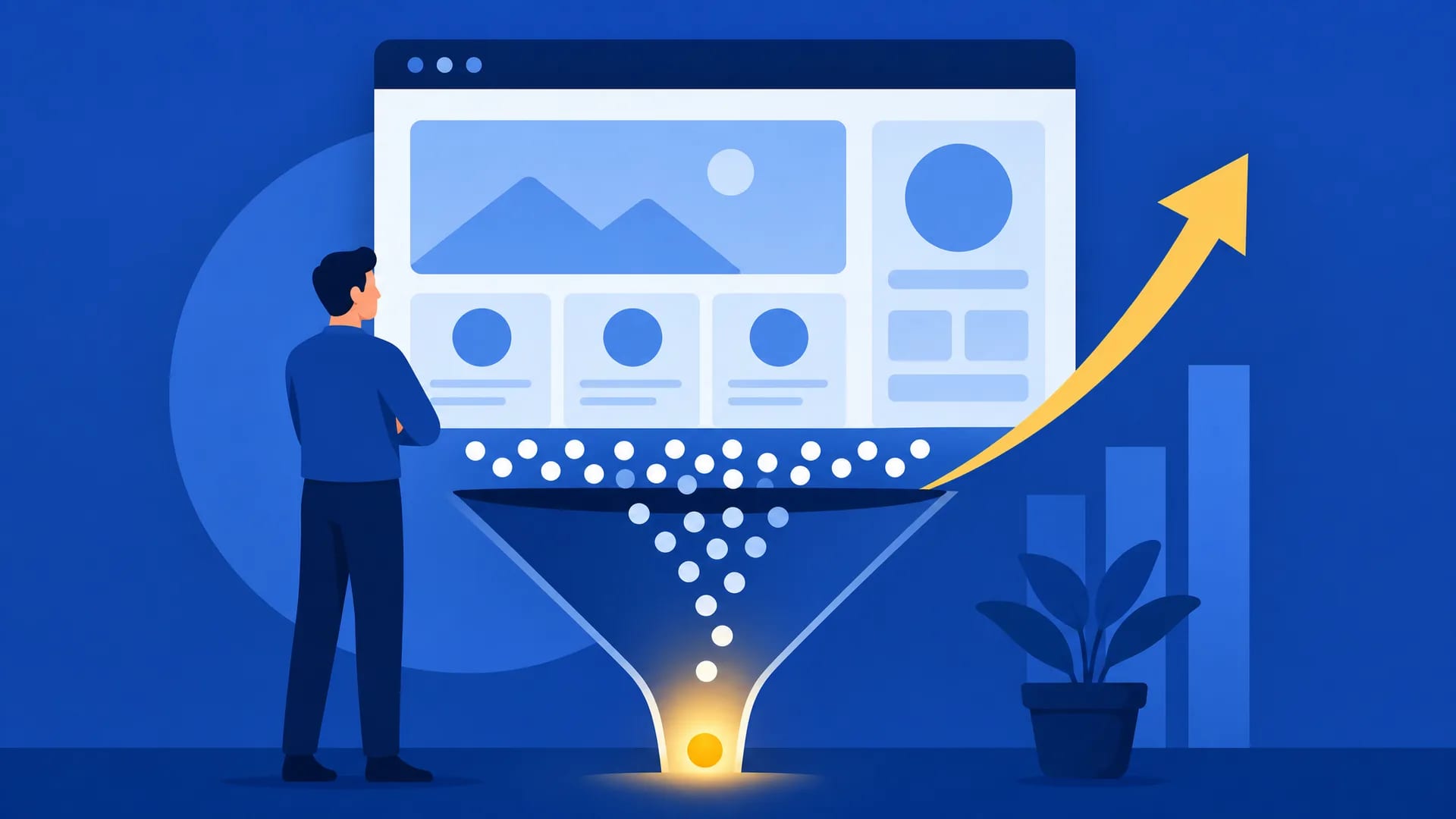
Most small business owners assume their website is fine because it "looks good." But looks don't book jobs. If your site gets steady traffic and still isn't generating enquiries, the problem usually isn't design polish. It's website conversion rate optimisation for small business, or the lack of it.
CRO sounds technical, but at its core it's simple: getting more of your existing visitors to actually contact you. No extra ad spend. No new traffic sources. Just a website that does a better job of turning browsers into leads.
What Is Website Conversion Rate Optimisation (And Why Small Businesses Get It Wrong)
Conversion rate optimisation is the process of improving the percentage of website visitors who take a desired action. For a service business, that action is usually a phone call, a form submission, or a booking request.
Most small business websites convert only a small fraction of visitors into enquiries. That's normal. But it also means modest improvements to headlines, calls-to-action and trust signals can meaningfully lift lead volume. And you don't need to spend another dollar on ads to get there.
So what's a good website conversion rate for a small service business in Australia? There's no single magic number, and anyone quoting an exact industry-wide figure is guessing. What matters more is the trend. If your site currently converts a low share of visitors and you make it easier to act, that percentage should climb. Track your own baseline. Then measure improvement against it, rather than chasing a benchmark that ignores your industry, location or traffic quality.
Why Enterprise CRO Advice Doesn't Fit a Local Service Business
Most CRO content online is written for enterprise ecommerce teams running split tests across millions of monthly visitors. That's not you, and that's fine.
A local plumber, electrician or physio doesn't have the traffic volume to run statistically valid A/B tests. Waiting weeks for "significant" test results makes no sense when you get a few hundred visits a month.
The better approach for small business is simple, high-confidence changes. Fix what's clearly broken or unclear, based on known conversion principles, then watch enquiry volume respond. Most CRO guides skip this gap entirely for small business owners.
The Quick-Win Checklist: Website CRO Small Business Australia Owners Can Action This Week
You don't need a developer or a redesign to improve website conversions. Most of the biggest wins are copy and layout changes you can make yourself in an afternoon.
Start here:
- Replace vague headlines with a clear statement of the problem you solve
- Put your main call-to-action above the fold, not buried at the bottom
- Shorten contact forms to only essential fields
- Add your phone number as a clickable link on mobile
- Remove stock photography that doesn't show your actual work or team
- Make sure your service area and availability are obvious immediately
None of these require technical skill. They require honesty about what's currently confusing or slowing visitors down.
Headlines That Speak to the Problem, Not the Business Name
Your homepage headline is prime real estate, and most small businesses waste it on their company name or a generic slogan.
Take a local tradie site that swapped a generic "Welcome to Our Business" headline for a direct promise like "Same-Day Plumbing Callouts Across Brisbane." Enquiry forms typically get more attention once visitors know instantly they're in the right place. Hesitation drops.
The pattern is simple: lead with the problem you solve and who you solve it for. Save your business name for the logo, not the headline.
Calls-to-Action That Remove Friction
A call-to-action isn't just a button. It's a promise about what happens next.
"Submit" tells a visitor nothing. "Get a Free Quote" or "Call Now for Same-Day Service" tells them exactly what to expect and what it costs them to click.
Friction also hides in your form fields. Cut a contact form from ten fields down to name, phone and a one-line job description, and you'll usually see more form completions. Every extra field gives someone a reason to abandon.
Trust Signals That Convert Browsers Into Enquiries
Service businesses sell trust before they sell a job. Someone letting a stranger into their home or business needs reassurance before they'll pick up the phone.
Trust signals do that work automatically, without a salesperson in the room. They answer the unspoken question every visitor has: can I rely on this business?
Reviews, Guarantees and Local Proof Points
The most effective trust signals for small service businesses are usually the simplest:
- Genuine customer reviews, ideally with names and suburbs
- Licensing, insurance or association badges, displayed clearly
- Guarantees, like a satisfaction promise or workmanship warranty
- Local landmarks or suburb names that prove you actually service the area
- Photos of the real team, van or premises, not stock imagery
A visible response-time promise, like replying to enquiries within one business hour, is a trust signal you can add today to cut hesitation. It costs nothing to add, and it directly answers a common buyer worry: will anyone actually get back to me?
These elements work because they answer objections before a visitor has to ask. For a deeper look at how these pieces fit into your overall brand, see the guide on building trust infrastructure across your brand.
Landing Page Optimisation for Service-Based Offers
Your homepage tries to do everything: introduce your business, list every service, and speak to every type of customer. That's exactly why it's a poor fit for driving specific enquiries.
Landing page optimisation solves this by giving each service or campaign its own dedicated page, focused on one offer and one action.
Matching the Page to the Ad or Search Intent
When someone searches "emergency plumber near me" and lands on your general homepage, they have to hunt for relevance. Every extra click and scroll is a chance to lose them.
A dedicated landing page for that exact service removes the hunt. The headline matches the search. The trust signals match the concern. The call-to-action matches the urgency.
This matters most when you're driving paid traffic to a dedicated landing page rather than a generic homepage. Paid clicks are expensive, and they deserve a page built to convert them, not just inform them.
If your website's core structure isn't set up to support pages like this, it's worth revisiting getting the underlying website design right before layering campaign pages on top.
How to Measure Whether Your CRO Changes Are Working
You can't improve website conversions if you're not tracking whether they've actually improved. This doesn't require enterprise analytics or a data team.
You need three things: how many people visit, how many enquire, and by what path. That's it.
Simple Tools for Tracking Enquiries Without Enterprise Analytics
Set up these basics before you make changes, so you have a baseline to compare against:
- GA4 goal tracking for form submissions and key page visits
- Call tracking numbers, so you know which pages generate phone enquiries
- A simple monthly log of enquiry volume, source, and outcome
Once these are running, changes become measurable. Did the new headline lift form starts? Did the shorter form lift completions? You'll know within weeks, not months, because you're comparing your own numbers, not chasing an industry average.
For a broader look at connecting these numbers to actual business return, it's worth reading up on measuring your marketing ROI. And once enquiries start increasing, you'll want a CRM to manage those enquiries so none slip through.
Do you need A/B testing tools for any of this? For most small businesses, no. A/B testing needs traffic volumes that small local sites rarely have. Directional, evidence-based changes get you most of the benefit without the wait.
When to DIY and When to Bring in Help for Website Leads Service Business Owners Need
Plenty of the changes above are DIY-friendly. A weekend spent rewriting your headline, shortening your form and adding real reviews can noticeably shift enquiry numbers.
But there's a point where DIY hits a ceiling. If you've made the obvious fixes and enquiries have plateaued, or your site's structure genuinely limits what you can change, that's a sign to bring in expertise.
It's also worth stepping back and asking whether CRO is happening in isolation, or as part of broader lead generation strategies that include your ads, your SEO and your follow-up process. CRO lifts conversion; it doesn't create traffic. Both matter.
If you're weighing up partnering with a digital marketing agency against continuing to DIY, the deciding factor is usually time and traffic volume. At low traffic, small fixes matter more than fancy testing. At higher traffic, a proper audit and structured landing pages start to pay for themselves quickly.
Jumpgro Marketing builds and audits small business websites specifically to turn existing visitor traffic into phone calls and form enquiries, not just page views. If you want a clear-eyed look at where your site is losing enquiries, request a free website conversion audit. You'll get a practical list of quick-win changes, the same kind covered here, tailored to your business and your traffic.